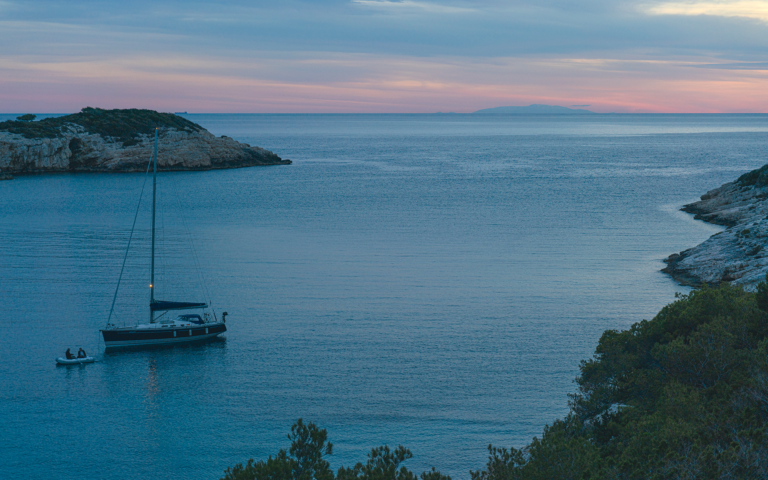
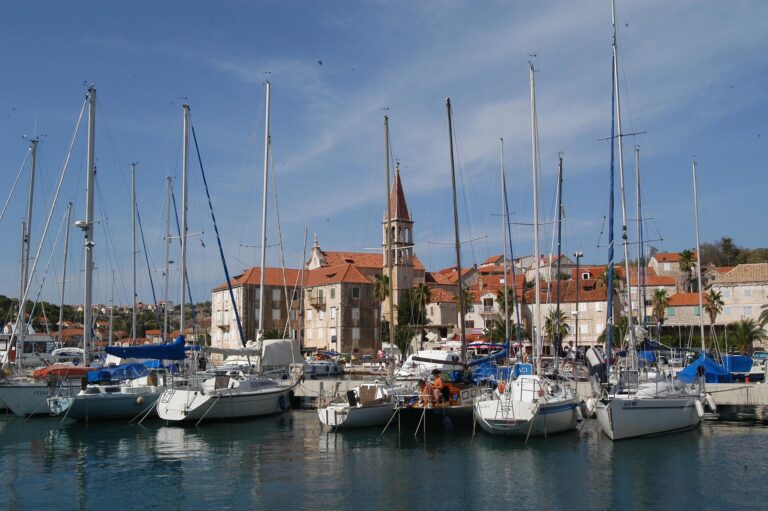
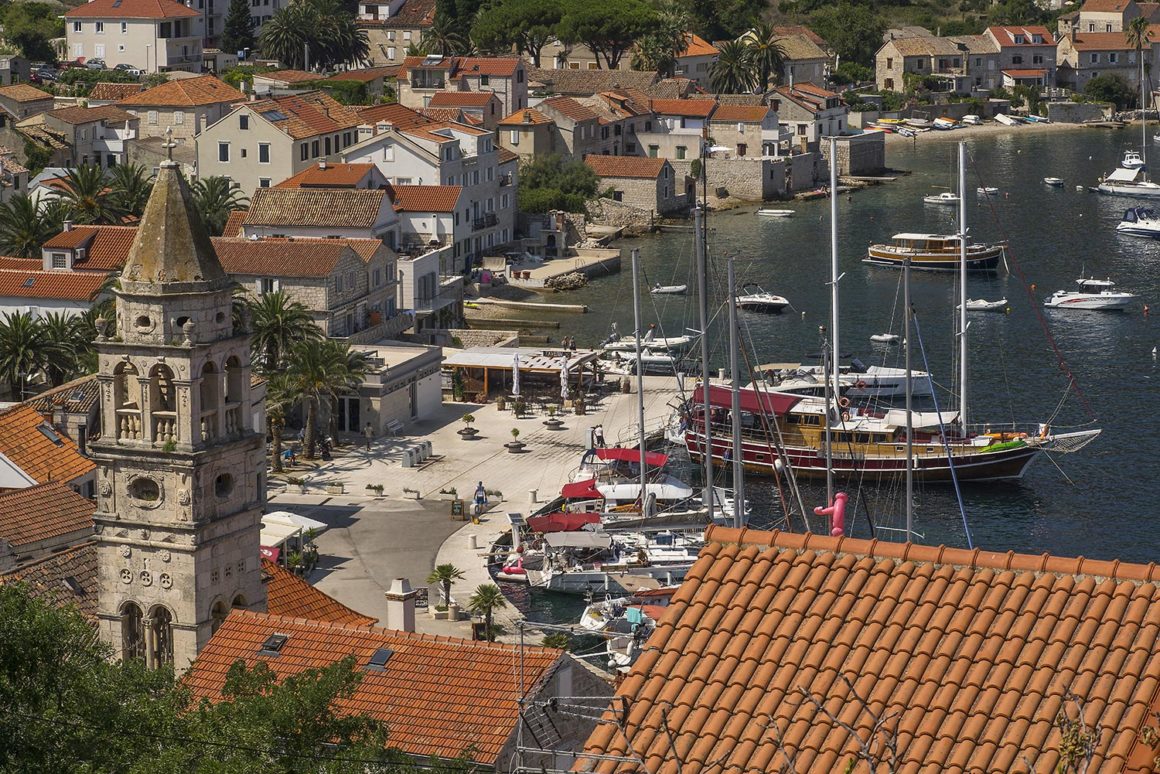
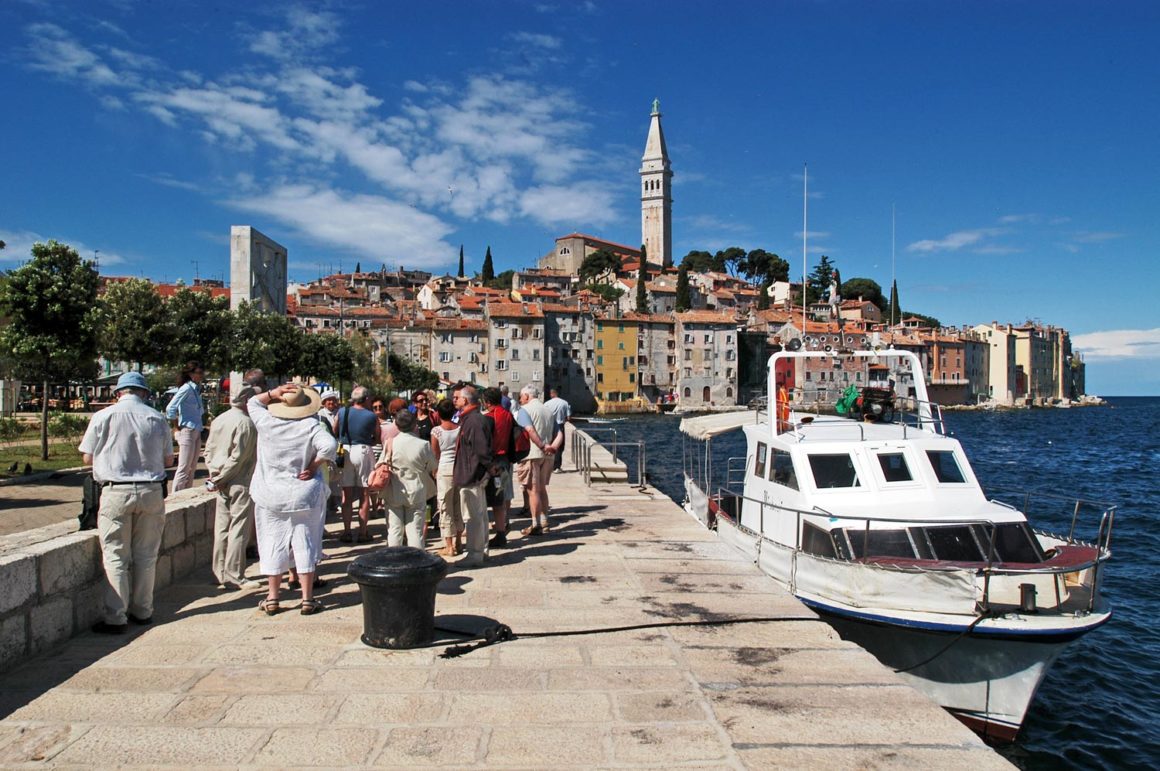
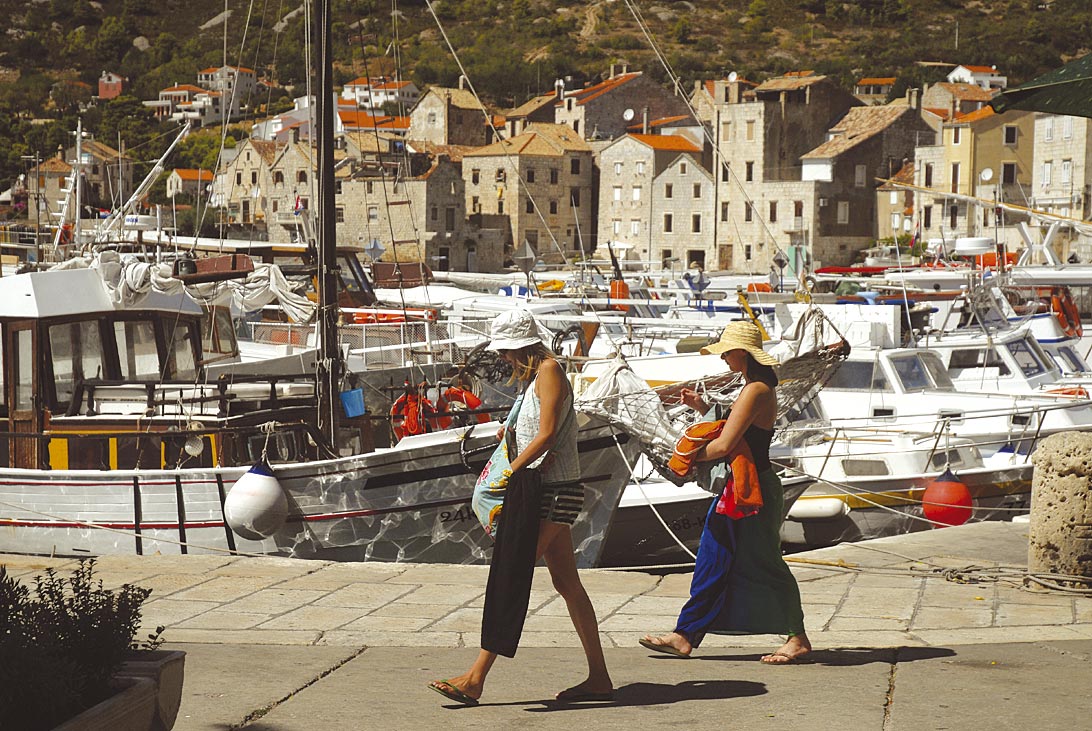
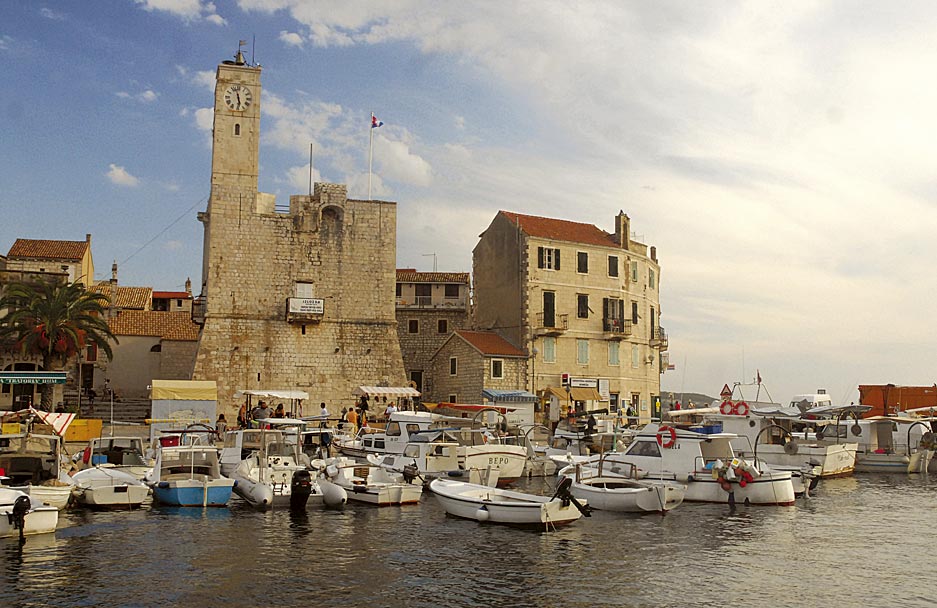
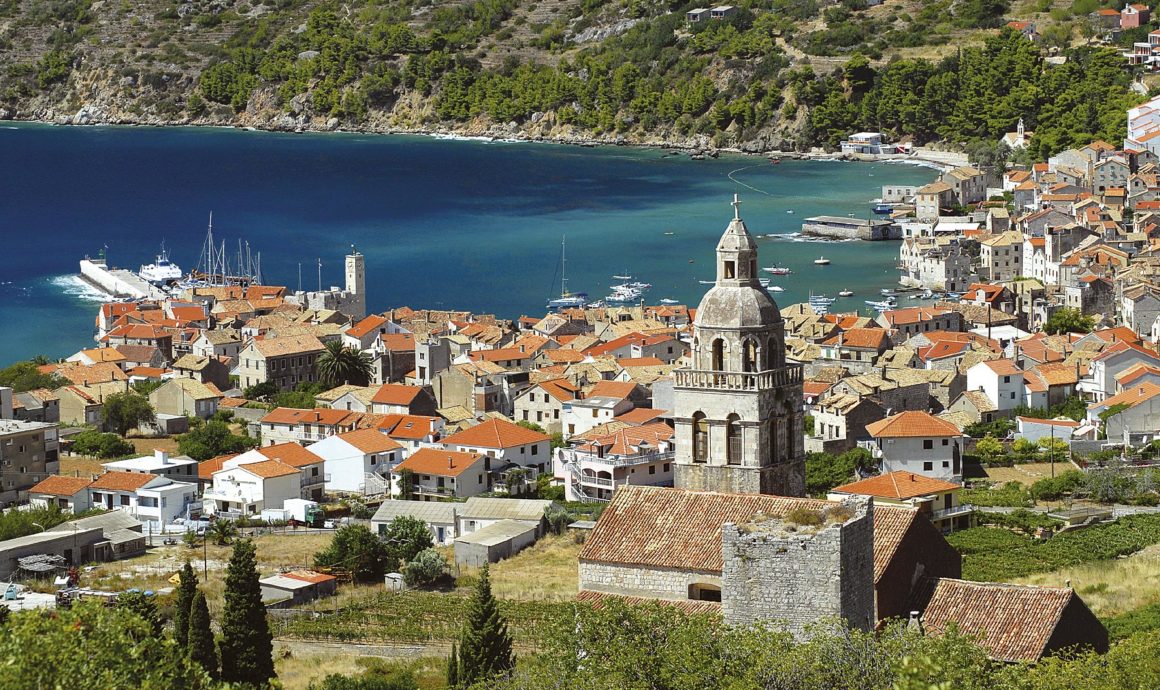
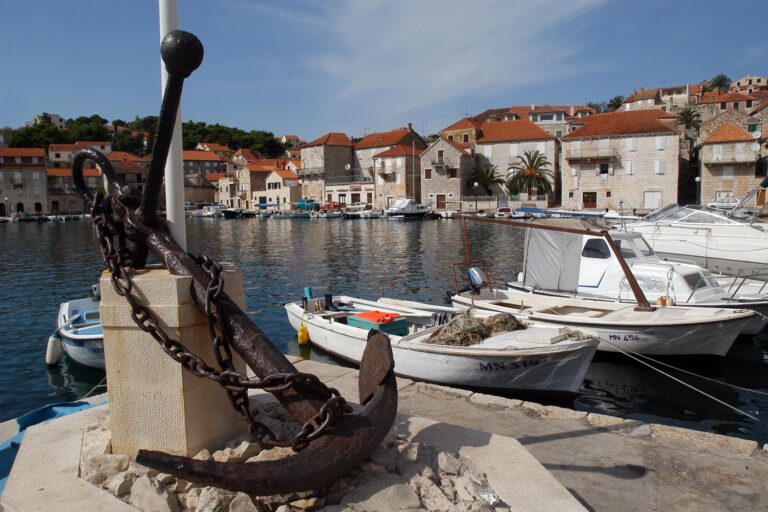
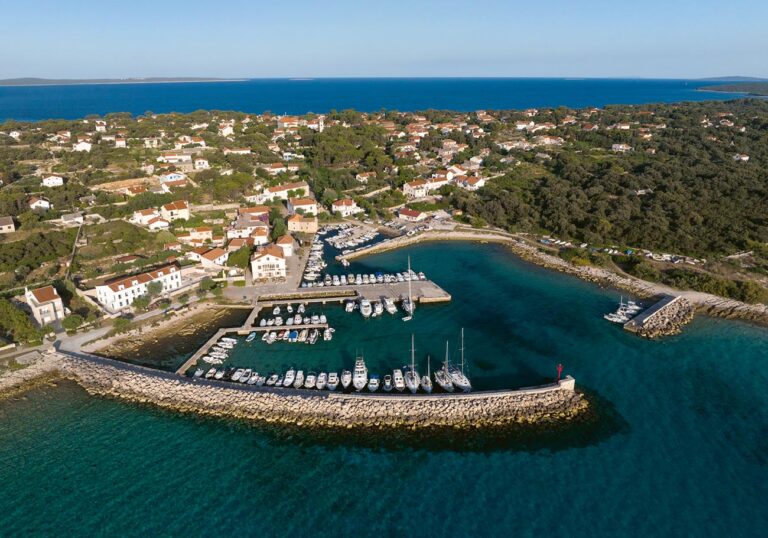
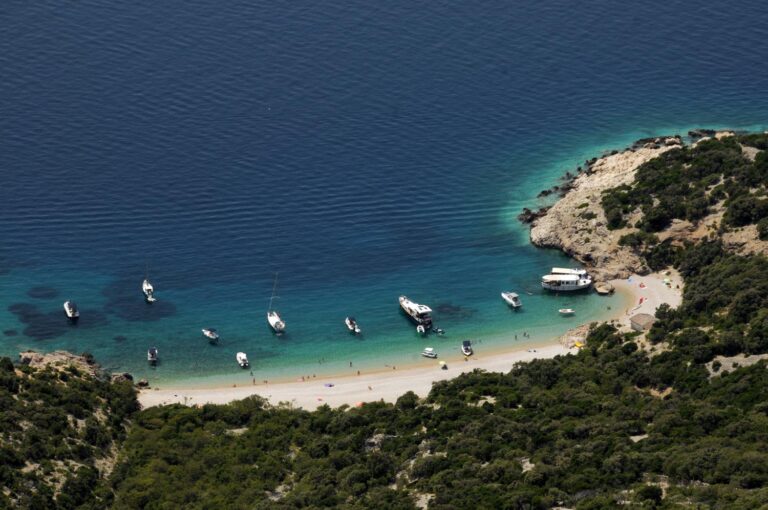
A sailor will instinctively describe Lošinj as remarkable. It is diverse; its towns are well-planned, steeped in history and maritime tradition, and have preserved...
Woven with unquestionable beauty, its coastline is intriguing, diverse and suitable for all sailors, while the interior, which is worth visiting, is lively and picturesque
The landscapes of
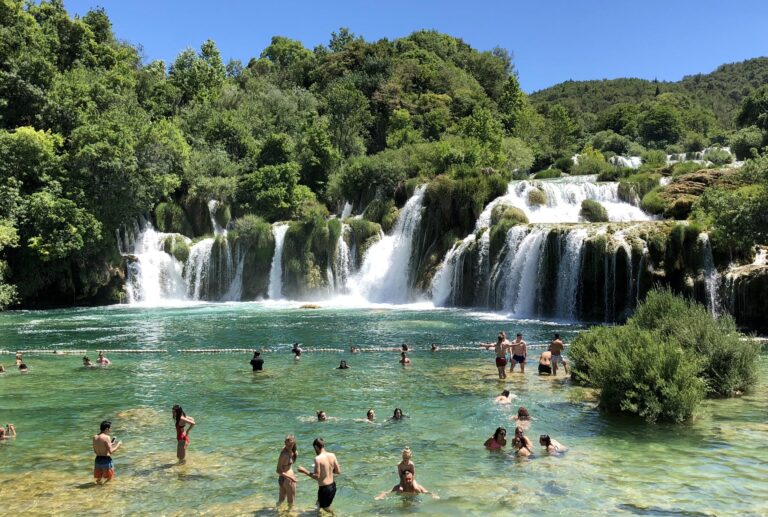
Brijuni, Telašćica, Kornati Islands, Vransko Lake, Krka Falls, Lastovo Islands
and Mljet are extremely impressive and well worth visiting.
Kornati
Nearly every
seafarer who sails any distance along the Croatian coast will either sail into
or in the immediate vicinity of the waters of a national or nature park. From the north to the south are the
national parks of Brijuni, Kornati, Krka and Mljet, and the nature parks of
Telašćica and the Lastovo Islands.
Their beauty, rich history and natural wonders attract many sailors.You can sail freely in all of them, except the
Brijuni National Park, and you can approach the Krka National Park up to
Skradin or you can sail the Krka
River upstream to the Skradin
Bridge. In the Brijuni National Park, it is possible to sail into the harbors
of Veliki Brijun and Sveti Nikola on Mali Brijun, where you can moor your
vessel. The mooring fee at the
Brijuni National Park includes the daily entrance fee for a specific number of
crew members, depending on the length of the vessel. In the national parks of
Kornati and Mljet, as well as the nature parks of Telašćica and the Lastovo,
there is an entrance fee for vessels. It can be paid at the parks, in advance
online at
www.parkovihrvatske.hr or
at authorized travel agencies. Tickets purchased this way are somewhat less
expensive. Entrance tickets can be purchased for one, three or seven days, and
can be used for several parks.
Croatia is without a doubt one of several most desirable global destinations for sport sailing as well as recreational sailing. Apart from its exceptional and indented coastline the other reason is a well-developed nautical infrastructure.
Seventy-one
modern marina with more than 18.000 berths, a great number of
waterfronts, small town ports and sport clubs which embrace every year
more than 130.000 boats and yahts under Croatian flag and 60.000 boats
under the flags from all over the world that sail into Croatian waters.
When it comes to bareboat charter, Croatia is a country with the
largest number of such boats which are a holiday home to more than half a
milion people who spend their summer or a part of their summer holidays
in Croatia.
Such a number of boats and people requires a wide range of high level services. The Eastern part of the Adriatic has a network of shipyards for refit, service wokshops for marine engines of all manufacturers and nautical equipment, sail repair and more than fifty petrol stations for boats and yachts. In order to provide maximum safety for sailors and their boats, there is a complex system of Safety and Rescue at sea (SAR) which involves coast guard, police, port authorities and other institutions such as commercial companies which provide help at sea and many voluntary organizations as well as many volunteers.
To
have a memorable sailing experience with the Mediterranean flavour,
there are numerous restaurants and taverns especially for sailors.
Since ancient times, the
indented coastline of the Eastern Adriatic has been a major sea route and the shortest
distance between central Europe and the Mediterranean.
The Illyrians, the Etruscan,
the Greeks, the Romans, the Venetians sailed this route, but most of all,
Croatian sailors who embarked from here on voyages to world seas.
The boats of all kinds such
as argosy or ragusan carrack also know as karaka
from Dubrovnik Republic, fast clipper ships of our captains from Pelješac
penninsula, the island of Korčula
and the island of Lošinj or boats known as braceras
and logers which used to sail by the
coast or fisherman boats built in local shipyards have always been an important
part of living in these parts.
This tradition is deeply
built into the minds of local people and was never abandoned not with the arrival of modern shipbuilding. In
time, however, one after another, the wooden boats simply started to vanish
from the sea. Those which remained were the ones moored in harbours of small
Adriatic towns but soon there were only a few left. New generations chose
plastic. It was an inevitable trend, but eventually a twist happened. The
development of modern nautical industry raised awareness of belonging to old traditons
in a a completely new way.
At the beginning of this
year, a boat known as logerNerezinac, so far the biggest Croatian
project of wooden boat restoration, was moored at the waterfront of Mali Lošinj
in its full splendor.
This temporarily marked an
end to twenty-five-year long efforts which began by building Comesa Lisboa – a boat known as gajeta falkuša built by famous Croatian
fishermen from Komiža. The boat was made to boast Komiža’s fishing and maritime
heritage at the world exhibition EXPO 1998 in Portugal. It was a cry for
preserving traditional shipbuilding in the age of plastic and an industrial
stampede of boats and yachts which shut down local shipyards, where for
centuries the craft had been passed from father to son, from master to apprentice,
thus taking away their future. Even though this tiny quantum of light
brightened what we had not so long ago, the future of thousands of wooden boats
known as gajetas, leuts and braceras
remained uncertain and at best, destined for a museum backyard or an art
installation entitled „ As it once was“.
The wooden boats were stlll
losing the battle to pricing policy, low maintenance costs and delivery dates
of modern shipbuilding. For something more they had to preserve their dignity,
return the purpose, be sent to sea. And as impossible as it may have seemed, it
happened. At first as a flash of several independant initiatives such as Latinsko idro on the island of Murter, Mala barka in Mošćenička Draga, Kuće o batani in Rovinj, which soon
became a real movement to restore the old wooden boats but also to build new
ones – new gajetas and leuts which
grew out of an enormous desire of thousands of local people who do care what happens
to their wooden boats.
So, when sailing the Adriatic
coast you see by chance a wooden boat such as a gajeta, leut, pasara, guc or batana
with their lateens flying freely or if you are lucky enough to see one of their
regatta, for instance Rota Palagružona,
Latinsko idro, Burtiž, Regata batana in Rovinj or Nerezine regatta of traditional boats, enjoy the view and rest
assured that tomorrow, there will be even more of them.
The distribution
of the Adriatic islands is ideal for every mariner, especially under sail. With
a few blank areas, they run along the entire coast from Rijeka to Dubrovnik.
The distance between them is seldom greater than ten nautical miles, and they
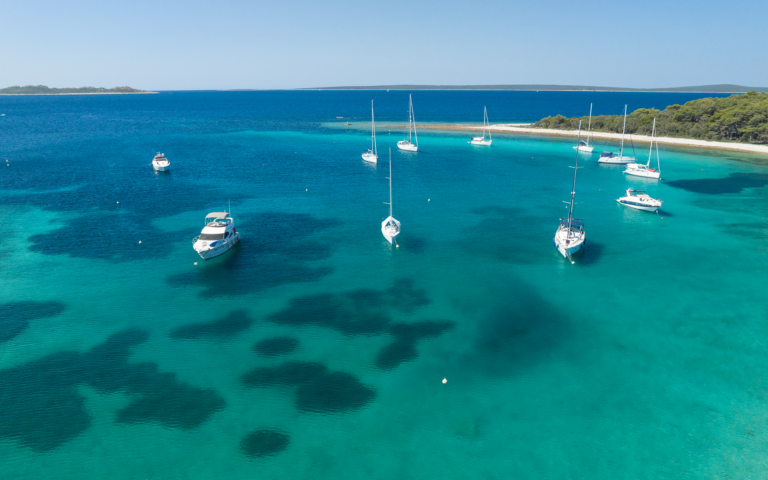
make myriad waterways and channels. The islands and the coastline count more
than 1500 bays, coves, and harbours for mooring and anchoring or an overnight
stay. These places are ideal for sailboats, but motor cruising or fishing rides
are also a treat. Nothing is ever too far away, yet if you want, you can sail
all day long. If the weather turns bad or mighty winds rise, there is always a
place where you can find refuge. Just like any other sea, the Adriatic has its own
perils. To enjoy the ride, you should know the winds, their patterns and
behaviour, and observe the rules of safe navigation. Fortunately, weather is
generally very favourable for navigation and sailing in the high season. This
is the period of maestral (a.k.a maestro, a northwesterly) and tramuntana (or
tramontana, a northerly) which make sailing pleasurable. The same goes for
levanter (an easterly), and jugo (a southerly) is seldom strong in the summer.
Even bora (a northeasterly) looses its strength, but you should always keep an
eye on it and other summer windstorms. Navigation in such a variety of shores,
coves, currents and local winds is always interesting. There is always some
action on board. To get where you want, you always have to make sure that
you’re still on course and adjust to the circumstances. In one moment you sail
downwind and in the next you tack or have to manoeuvre through a narrow channel
or a strait. The regime is just as variable for motor boats. The landscape is
never the same. You can see desolate spots hit by hard winter boras, such as
the northern coasts of the islands of Rab or Pag. Shores facing the open sea
are usually lush, especially as you move down south. One moment you will brush
along a thick pinewood such as those on Lastovo or Jakljan, and the next all
you see will be brushwood and bare rocks. You will pass by or moor in typical
Mediterranean ports as well as in small fishermen villages. You will often see
solitary coves with a house or two. You will sea beaches changing appearance
with the wind such as Zlatni rat (Golden Cape) on the island of Bol.
Island places are
never the same and are worth visiting. Some towns such as Korčula, Hvar, and
Vis date back to ancient Greece. Other places are of a more recent date, usually
established as fishing ports or ports of larger island towns situated further
inland. Many islanders lived from the land and built their towns and villages
inland, usually on the slopes bordering fertile fields. Most of these places
have preserved their genuine appearance and quality, and even though there are
but a few residents left, you will be able to catch a glimpse of the times long
gone.
Waterfronts
are like magnets, attracting visitors with their beauty, history, food and
drink, irresistible atmosphere and other characteristics.
Mooring on any Adriatic waterfront, especially on
the islands, is a special experience. When you berth, you will encounter the
history and very heart of the little town to which you have sailed. Do not
forget, most of them were built to provide safe harbours and secure berths.
Whether they were used by fishing, merchant, war or passenger vessels, building
and protecting the waterfront was the most important task for the local
residents. So waterfronts were, and still are, the central, most important part
of these small towns. The most beautiful, largest houses and churches were
built next to them, along with forts for defence. They form the stage where
life is played out. People come to the waterfront to see their friends, find
out all the latest news, see who has arrived on the ferry (if the waterfront is
on an island) or what the fishermen caught last night. They are places of both
joy and sorrow.
Vis
Berths on waterfronts are usually safe, since most
are located in sheltered parts of harbours, but keep in mind that even
waterfronts can sometimes be exposed to wind and waves from certain directions.
Waterfronts are often bustling with traffic. Some parts are reserved for
passenger traffic and smaller cruise ships, and other parts are intended for
sailors. They are generally equipped with moorings and water and electricity
connections, and berths cost a bit less than in marinas. Although a waterfront
does not offer the same level of comfort and quiet as a marina, since most of
the nearby restaurants and cafes stay open until the early hours of the
morning, most sailors choose to berth on a waterfront at least once or twice
during their summer cruise. This is why we have decided to give you an overview
of the 15 most popular waterfronts, with a description of the experience you
can expect on each one, as well as the services offered.
Komiža, the most beautiful fishing village in
Dalmatia, nestles in the NE corner of Komiža Bay, beneath Muster and almost 600
m high Hum, with slightly smaller Sveti Bjaž. Komiža Bay is beautiful, but can
be harsh. It is exposed to waves and winds blowing from the southwest and west,
so when it is windy, the only place to find shelter is in the part of the
harbour protected by the 200-metre breakwater. The head of the seawall is 2 m
high and provides adequate shelter for fishing boats and yachts moored there.
The only objects protruding behind the breakwater are the masts and
superstructures of tall, open-sea trawlers and seiners. There are around 30
berths on the pier closer to the waterfront, and they are equipped with
moorings and water and electricity connections. If you moor on the pier you
should be completely safe. If there is no room there, the locals might let you
moor sideways onto a trawler or seiner. You should be quite safe on the
breakwater, except of course during strong SW winds in winter. The depth along
the breakwater is adequate – from 6 m at its head to 2 m at the beginning of
the waterfront. The breakwater is quite high, so it can be rather a problem
docking a smaller boat without a gangway, especially during low tide. There are
50 buoys anchored in the area sheltered by the breakwater, intended for those who
do not manage to find room on the breakwater. Keep in mind that a strong jugo or lebić creates waves there, making it less comfortable to be tied to
the buoys in those conditions. In any case,
whether you are moored on the waterfront or tied to one of the buoys, you will
enjoy the unique atmosphere of this fishing village and its lively waterfront.
Be sure to visit the exquisite fishing museum located inside the fort and
sample the fish in one of the local restaurants. You
can take a dinghy and head to one of the small beaches scattered throughout the
bay, and once you are in Komiža, do not miss a visit to neighbouring Biševo and
its famous Blue Cave (Modra Špilja).
(Port authority office, seasonal maritime
border crossing, pharmacy, doctor’s surgery, bank, post office)
Vrboska harbour is located at the base of a bay
recessed almost a mile and a half inland. It is sometimes called Little Venice,
because of the creek that empties into the harbour, the three small bridges
that cross the creek and the islet in front of the last bridge. Vrboska is a
quiet and peaceful place, once a well-known fishing harbour, dominated by the
fortified Church of Sveta Marija (St Mary), built to defend residents from
Turkish attacks.
The local waterfront is marked by a harbour
light and is located in the centre of the small town. You will have moorings,
water and electricity connections at your disposal. The depth by the waterfront
is between 3 and 3.5 m, except at its western end, where the depth is 1.5 m.
However, two or three local excursion boats moor there. Concessionaires look
after the waterfront and you can reserve a berth. There is also an ACI marina
in Vrboska, and a newer, more peaceful, quiet waterfront was built in the SE
part of the harbour as part of the marina. If you add several good restaurants to
this well-equipped nautical infrastructure, you should have sufficient reasons
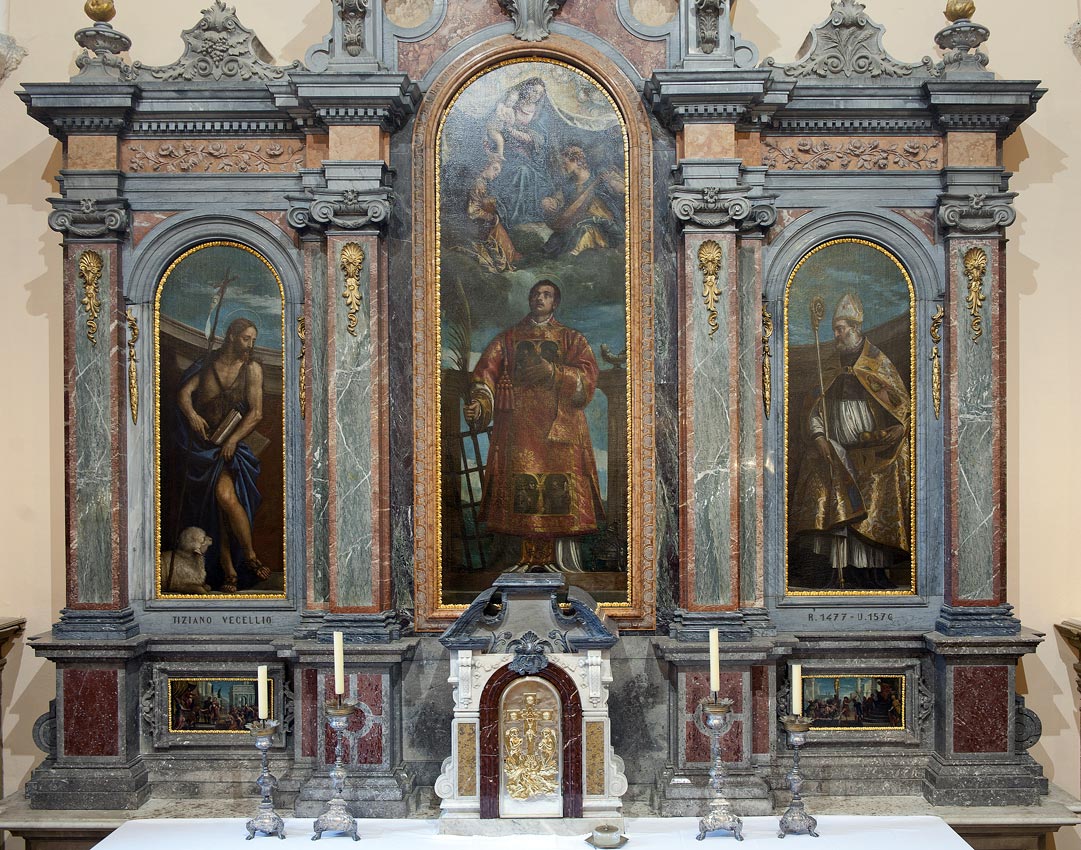
to sail to Vrboska. The town has
additional attractions, such as the picture gallery in the Church of Sveti
Lovrinac (St. Laurence), which is definitely worth a visit, and an interesting
fishing museum.
The bura
is felt quite strongly in the bay, but it does not create waves and does not
disturb moored vessels. Southeastern winds create waves, but the only real
threat here is a stormy southeastern wind, which can rapidly raise the sea
level and is dangerous for moored boats. However, this rarely happens during
the summer.
(Post office, fishing museum, doctor’s surgery
in nearby Jelsa)
This lovely and not
so small a place, nested along the shore of a deeply indented port. The first
houses were built on the north-eastern shore, later the village stretched
across to the southern shore, and then beyond the port. Nowadays, Milna is the
main nautical centre of the island, thanks to a long waterfront built along the
northern and partly southern shore of the port, two marinas, the waterfront in
front of the former sardine factory and a petrol station.
There are three coves
in the Milna port. The most deeply indented Pantera Cove stretches to
southeast. An ACI marina, with moors on both sides of the cove, occupies large
part of it. The Žalo Cove is hidden on the northern side, and so is the Vlaška
Cove, only some five hundred metres to the west. The waterfront and the centre
of Milna are between Pantera and Žalo, on the eastern shore. There is also a
church, Polaca square with a staircase, and Sridnja and Gornja lanes, quiet and
intimate, with a row of old stone houses, stretch parallel to the waterfront.
Milna, the former
main island port, flourishing at the time of sailing ships, is surrounded by a
big bay that provided shelter to many ships in times of storm, so that it was
named Valle di Mille Navi by the Venetians. The cove belonged to the inhabitants
of Nerežišće, and in the surroundings were shepherds’ huts. In wintertime, on
the adjacent grounds, the shepherds of Nerežišće kept kettle, that grazed the
Brač uplands. In contrast to most of other Brač settlements at shore, there are
no traces of any Roman farming nor remains of Early Christian places of
worship, so its history is traced back only to the period when the pirates’
threat faded away under Venetian administration.
The place sprang at
the end of the 16th century when a noble family Ceranić, of
Nerežišće, built a tower and a small church in the cove, their own waterfront,
and houses beside it, which were used as warehouses for wine and oil that are
exported therefrom, and built also by the inhabitants of the Blaca hermitage.
Houses by the sea are built also by other wealthier inhabitants of Nerežišće,
turning the cove gradually into the island’s main port, and the centre of
seafaring. Ploughmen’s and shepherds’ huts are located above them, slightly up
the hill. The place witnessed a particularly strong development during the 18th
and 19th centuries, when it was the centre of the Brač trade. Many
palaces and a beautiful baroque church (in 1783) were built.
We sailed to Silba, a tranquil island with deep historical roots and serene charm. Silba’s car-free streets, history, architecture, and breathtaking nature offer a peaceful escape. The island, with its maritime past, is known for olive groves and holm oak forests
After we visited the neighboring island of Premuda, we sailed towards Silba. The two islands and the islanders share much in common, yet they also have distinct differences. Silba offers a striking contrast to its neighbor Premuda. While Premuda presents a rugged, open-sea allure, Silba enchants visitors with its serene charm and deep historical roots. Viewed from the air, Silba resembles the number ‘8’, with the settlement located in the narrowest part of the island.
The path to Žalić is full of oleanders / Photo: Magazine More
Sailing into the island’s peaceful harbors, Mul and Žalić, the absence of automobiles immediately stands out, preserving the island’s tranquility. The island has been inhabited since the Illyrian and Roman times, and its name originates from Latin. Here, the past of naval significance and olive groves intertwined with maritime life lives on, even as tourism grows. Silba’s ancient streets, lined with aromatic oleanders, lead to a landscape where time feels slower, but the island’s spirit remains steadfast in its simplicity and beauty.
Silba and Its Harbors – Part of the Historic Channel Route
According to some linguistic explanations, the name Premuda is derived from its position as the first (the Croatian word pre means before) of the series islands from the open sea. However, the name of the next island, Silba, does not refer to its position in the series but to its forests (the Latin word silva means forest).
The wind was weak but the sun was mercilessly hot when we sailed the channel of Silba. This channel is the historical route from the northwest toward Zadar and further to the southeast, and, of course, the other way round through the Kvarnerićka Vrata, i.e., the area between the archipelago of Silba and Ilovik, in Kvarnerić or toward the open sea between Premuda and the islet and lighthouse of Grujica. At the cape of Samotvorac in the northern part of Silba, as there was no wind we gathered the sails and motored into the eastern harbor of Silba, known as Mul. There is also a western harbor called Žalić, where ferries, fast catamarans, fishing vessels and excursion boats dock.
Moorings Behind the Breakwater and Buoys
Next to it, a smaller harbor accommodates small vessels. The locals moor their boats in the harbor of Mul, which also provides moorings for sailors. The Galeb Sport Fishing Society (ŠRD Galeb) headquarters also sit here, and the port authority office lies nearby. Around fifteen moorings behind the breakwater serve sailors (sailboats must moor bow-to) and along the waterfront, and small boats also moor at the northern breakwater.
From a distance, the harbor of Mul looked pretty full when we sailed in, and it seemed that we wouldn’t find a mooring. However, we were fortunate enough to moor without issue. The little harbor stays protected by a high breakwater wall with a shoal, from which the crystalline sea beckons us to take a swim. A little further south, a popular pebble beach, Sotorišće, waits, so whoever ties up here can take a refreshing swim in the sea whenever they like.
Bogdan Lazarin, the harbor captain, on his beloved wooden gajeta / Photo: Magazine More
Silba’s Town Square: A Place for Coffee Lovers and Conversation
Silba is a small town, especially when compared to Premuda. It is located on a hill, more precisely at a narrow isthmus, where the island is at its narrowest. As soon as you enter, you can clearly see that this place was once an important naval center. It features elegant captains’ and ship owners’ houses, surrounded by small fenced-in parks.
The churches house the tombs of their families. They also contain numerous votive artifacts. Silba has preserved much of this atmosphere today. Despite the tourists and builders who occupy it, Silba still holds on to its traditions. Its little streets lead down toward both the eastern and western harbors.
Spectacular sunset in Alavija
The Church of the Nativity of the Blessed Virgin Mary stands in the center. A tall bell tower is just a little further away. We headed toward the western harbor, passing the Toreta or Tower of Love. It’s a symbol of love, yearning, and tense anticipation of whether the beloved would return from the sea. We then descended to the tavern Alavija. After enjoying a spectacular sunset with everyone else on the crowded terrace and promenade, we ate a light supper on our sailboat.
The storm forecast around midnight didn’t start until about 5 a.m. It seemed to have blown itself out below the Velebit mountain range. We had our morning coffee in the center of town at Caffe Mokarabia. In no time, the town square filled with lovers of coffee and conversation. While we marveled at the oleanders in Premuda, our wonderment here was endless. The air filled with the intoxicating scent of these numerous flowering trees.
The lone fisherman Damir Matušić and his dog Vito / Photo: Magazine More
The “terrible” inspectors turn out to be harmless journalists
While we were walking toward the center of town, we encountered an interesting person who glanced at us furtively. Even his dog was suspiciously sniffing around us. After some hesitancy, he said two sentences, in which only one word was important—inspection! Indeed, with black camera bags and black notebooks under our arms, we must have looked like inspectors. We responded with something ambiguous and left him in doubt.
Ivan Pandur’s last name means “cop” but he has a jolly demeanor / Photo: Magazine More
This brief encounter had far-reaching consequences, thankfully ending with relieved laughter. A little later, Mladen was calling to tell us to hurry to the headquarters of the Galeb Sport Fishing Society, where our friends Damir Lukin and Ivan Pandur were waiting for us. We were then joined by the harbor captain, Bogdan Lazarin, now out of uniform because it was Sunday.
They had also invited an expert fisherman, Damir Matušić, known for fishing with large nets and trawlers by himself, but they were not sure whether he would come because that morning he had encountered some kind of inspectors going around Silba and did not want to have anything to do with them, even a chance meeting. It took extensive persuasion to convince Damir that we were only harmless journalists before he appeared, with his dog Vito.
Yuccas enoble the landscape with their pyramidal blossoms / Photo: Magazine More
Silba’s Maritime and Agricultural Legacy
Captain Bogdan’s friends will insist that he is the best cook in the world. When he sails away on business, they do not care where he is. What bothers them is that they will be hungry while he is gone. At the mention of paperwork, the captain immediately cradles his head in his hands. He is alone in the port outpost and controls extensive coastal waters, so it is no wonder that his head hurts at the mention of administrative work.
For Silba, people say that it once had 250,000 olive trees, 6,000 sheep, and an incredible 420,000 grapevine trunks. Moreover, many of its inhabitants were sailors who owned the largest fleet of sailing vessels for exporting meat to Venice. Then, as now, people used the bay of Sveti Ante on the southern part of the island as a safe harbor, and today it also serves as a tourism mecca. Silba is famous for its holm oak (Quercus ilex) forests, the largest of which is around 200 years old and is a protected natural monument, but it isn’t the only one on the island.
A sailing ship from Silba, carved for eternity in stone / Photo: Magazine More
There had never been so many vessels
The island inhabitants jealously safeguard the environment and nature, as impressively evidenced by the absence of automobiles on the island. The means of transport on Silba is the karić (a small cart with two or four wheels). Our friends tell us that there has never been a better nautical season. There had never been so many vessels in June. Bogdan praised the sailors who come here, saying that they are quieter and more polite than many who go toward the southern Adriatic.
The seawater, islands and people here probably contribute to that. The taverns of Mul and Žalićwere recommended to us as places where you can eat well. In the meantime, the ice between Damir and the “inspectors” had melted, so he explained the differences among fishing techniques. It was a pleasure to listen to him and learn about the fishing code. We also stopped by to see Ivan Pandur, whose last name means “cop,” an exceptionally jolly fellow who had adapted well to island conditions.
We had lunch at the Žalić, with a view of the western harbor, and were satisfied with the roasted tuna, cuttlefish risotto and veal risotto. We have forgotten to mention that we accepted a dinner invitation at the Galeb Sport Fishing Society. There was time to peek into the Marija Ujević-Galetović Gallery and view the heavy curves of the exhibited sculptures.
Marija Kuljerić among the original fragrances of Silba / Photo: Magazine More
The Fragrance of Silba
If you find yourself on Silba, you will want to take something with you as a souvenir. Let it be something that will bring a summer smile to gloomy winter days. The best choices are the local herbs: sage, bay leaves, calendula, immortelle, rosemary, lavender, aloe vera, St. John’s wort, etc. The biologist and phytoaromatherapist Marija (Mare) Kuljerić will fulfill your wishes. She prepares pomades, salves, and skin care creams from these herbs according to old recipes, as well as her own creations, without the usual preservatives.
It is fitting that she named her business Miris Silbe (The Fragrance of Silba). She macerates most of the herbs in olive oil. We also took a look at her little laboratory. She serves regular customers from Slovenia, Zagreb, and the visitors to Silba. The drought and heat had decimated the garden where she cultivates many of the herbs, but the autumn rains would revive them.
Smiljana Matulina Sindičić next to the stand with her artwork / Photo: Magazine More
Our pleasant conversation could have continued in the gazebo in front of the house if we didn’t already have to think about dinner. Crossing the square, we stopped to talk with Smiljana Matulina Sindičić, who offers various souvenirs, works of art, and a collection of poems about Silba at her stand. We also managed to see her painting exhibition at the nearby Cafe Bar Mik.
Diner at the Galeb
For dinner, Bogdan prepared salted tuna stew, monkfish tails, and prawns with asparagus. He seasoned everything with olive oil from the island of Olib because the olive trees on Silba didn’t bear fruit last year. These dishes confirmed that Bogdan, if not the best in the world, is certainly the best cook among port captains. The dinner lasted into the wee hours. We promised to come for late autumn squid fishing but would skip the big game before it.
The next morning, after coffee, we decided to sail to the southwestern coast of the island, to the safe harbor of Sveti Ante. The coves of Sveti Ante in the west and Porat in the south provide Silba with optimal shelter. Both coves are under concession and have a total of around forty anchored buoys.
Anchorage in Papranica Cove, within walking distance of Silba
Owing to the beauty of the coves, the sandy beach in Porto and good shelter, they are popular with boaters. There is another anchorage in Silba in the cove of Papranica, a mile north of Žalić, where several buoys are also anchored. In the harbor of Sveti Ante, we came across a dozen vessels at anchor and several more tied along the pier. We spent several pleasant leisurely hours there, like real sailors.
The cove of Papranica is in walking distance of Silba. Part of the path is shaded by dense crowns of holm oak, while part is at the mercy of the sun. In the cove is the Votive Church of St. Anthony and not far from it is an old guardhouse. It must have been a magnificent sight when the cove was full of anchored and moored sailboats. Perhaps this is the best place for us to conclude our encounter with this beautiful place.
After precise measurements were taken, several years ago the island of Cres officially claimed the title from Krk as the largest island in the Adriatic, and is by far the most heavily populated. On the entire island, which extends sixty-six kilometers from north to south, there are almost 3,100 inhabitants, of whom two-thirds live in the town of Cres. This is a consequence of the exodus of a large number of Italians after the Second World War but also because, unlike other islands, tourism was not intensively cultivated here and there was not too much construction. The island has preserved its pristine appearance almost completely and there has been very little inappropriate construction. Consequently, Cres has much to offer those who sail around it. The coastline is extremely diverse. Most of the part facing eastward is uninhabited, rocky and not particularly indented. It is the same with the northwestern part. For sailing, the most beautiful and interesting sections are from the town of Cres toward the south and Osor, through the narrow strait of Osorski Tjesnac toward the south to the numerous coves in the area of the village of Punta Križa and then a few miles to the north.
Koristimo kolačiće kako bismo vam omogućili najbolje korisničko iskustvo na našoj web stranici. Ako nastavite koristiti ovu stranicu, smatrat ćemo da ste suglasni s time.