
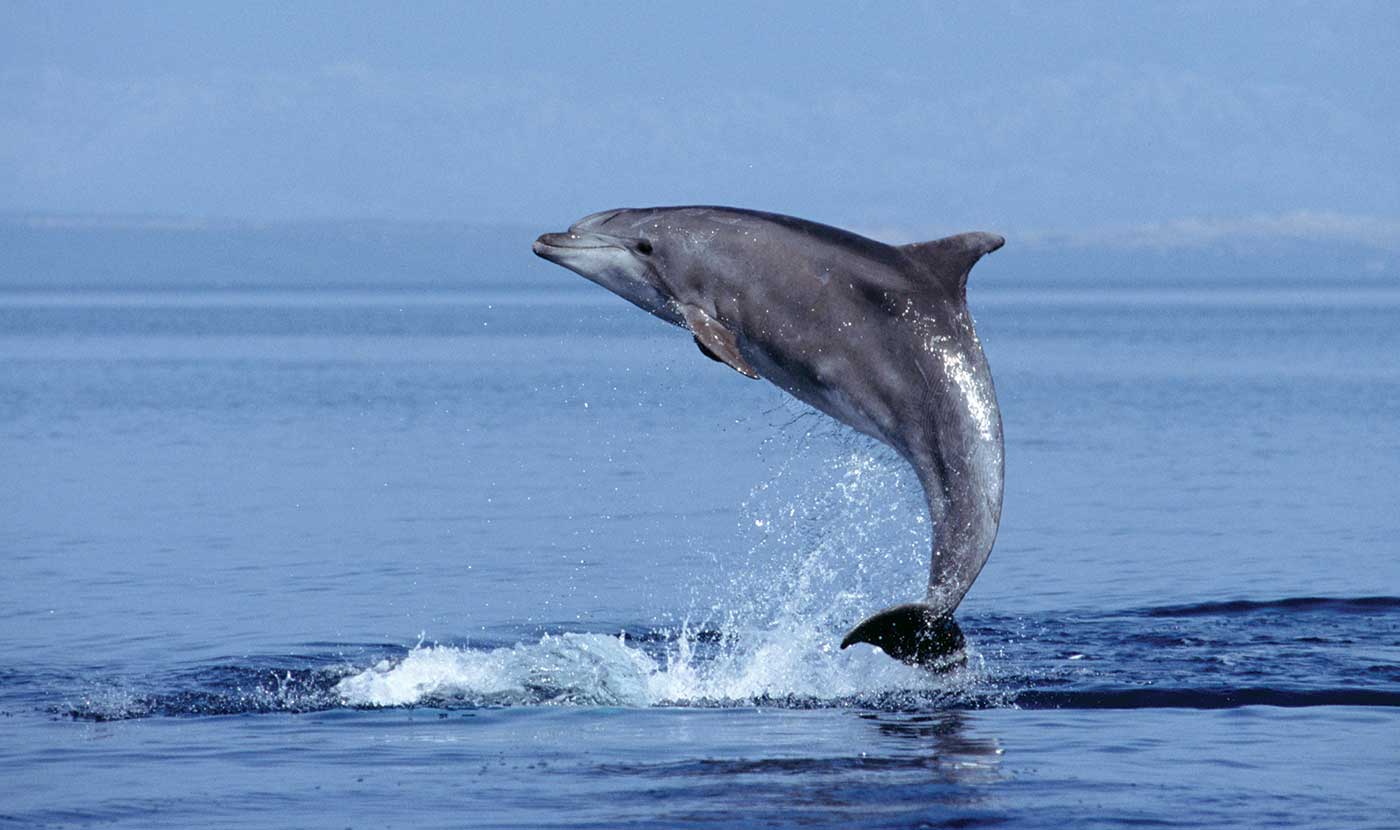
Several endangered or specially protected animal species live in and along the Adriatic. The sea and coastline belong to them more than to us, so we should share the environment with them. Without them, we and “our” sea would be impoverished. So let’s make sure they do not disappear forever, by allowing them to enjoy their home and not be afraid of encounters with us and our descendants. Here are some important pointers concerning how to behave towards them and what to do if they are in trouble.
How to behave in the company of dolphins
- Do not chase them, or sail straight towards them. If you want to get closer, do so slowly, sailing parallel to them, and give them the opportunity of moving closer, if they want to.
- Put your engine in neutral, or better still, switch it off. Sudden changes of direction and speed can upset and confuse dolphins, as can sudden noises.
- Do not try to get close to dolphins with young; for your own safety avoid diving or swimming with dolphins, and do not feed them or try to touch them.
- As you leave, accelerate gently, and make sure you are at least 30 metres away from the dolphins before beginning to do so.
If you see a stranded dolphin or whale, dead or alive, please contact one of these addresses, day or night:
*Adriatic Dolphin Project – Plavi Svijet (Prof. Draško Holzer and associates, Veli Lošinj, 051/236 406, email: info@plavi-svijet.org, web: www.plavi-svijet.org
*Save the Last Adriatic Dolphins (Spašavanje posljednjih jadranskih dupina – Prof. Hrvoje Gomerčić or Martina Đuras, Veterinary Faculty, University of Zagreb, tel 01/2390 111 (central), 01/2390 250, 01/4658 105, 091/5319 702 or 091/5208 709, email: martina.duras@vz.tel.hr
Of course, if by any chance there is no reply, you should try to return a live dolphin to the water. While doing so, pour seawater over it from time to time, particularly if it is exposed to the sun.
Mediterranean monk seals
After many years’ absence from our coastline, the Mediterranean monk seal (also known as the Sea Man) has been spotted in several places during the past years, even as far northwest as Pula. Proving that it still considers the Adriatic its home, and that after centuries of hunting it, we are now ready to welcome it back and ensure it has a peaceful habitat in which to rear its young.
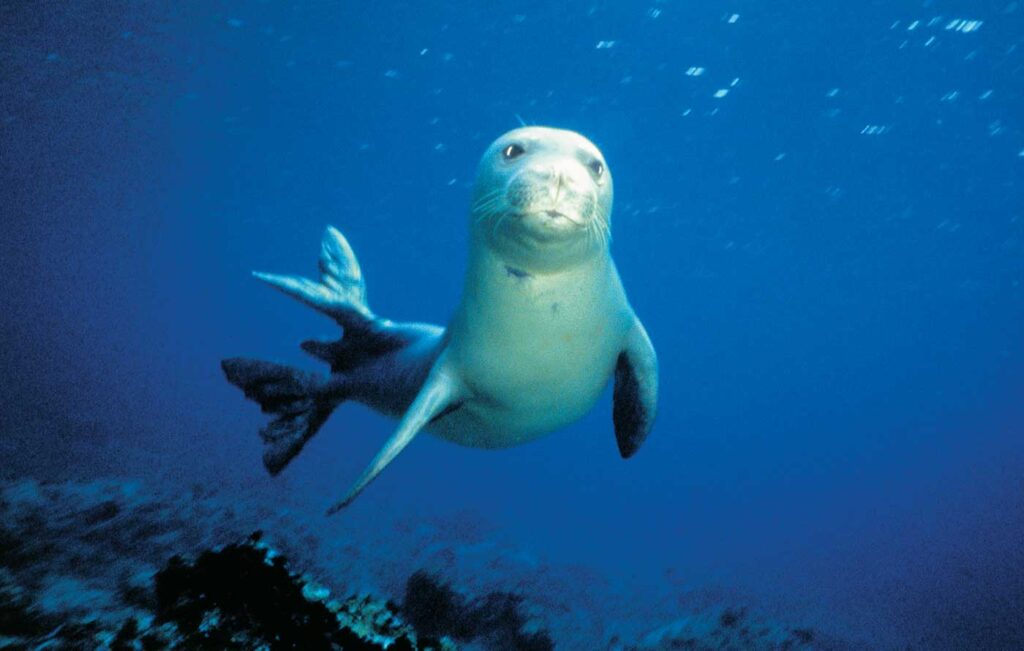
The Mediterranean monk seal (Monachus monachus) is one of the ten most endangered mammal species on earth. The Mediterranean Monk Seal team has been researching the habitat of this rare seal in the areas of Vis and Biševo, St Andrija and Palagruža and on Hvar, Korčula and Lastovo. The old caves where they used to rear their young today still show the signs of an earlier, larger population. In these areas, the Adriatic still provides them with ideal living conditions.
Saving the life of even one seal is today more than ever vital to the survival of the species. If you see one, do not go near it, whether you are swimming or sailing. Take a quick look, take a photograph if you can and move quietly away. This is particularly important if it has cubs. If you come across a cave with a seal inside, do not tell anyone else. It may have cubs with it, or be looking for a suitable place to give birth, and if you disturb it, this very timid animal might abandon its young or miscarry. Any sighting should be reported to the Mediterranean Monk Seal Team (Jasna Antolović, 01/4611 864, email: jantolovic@hotmail.com).
Sea-turtles
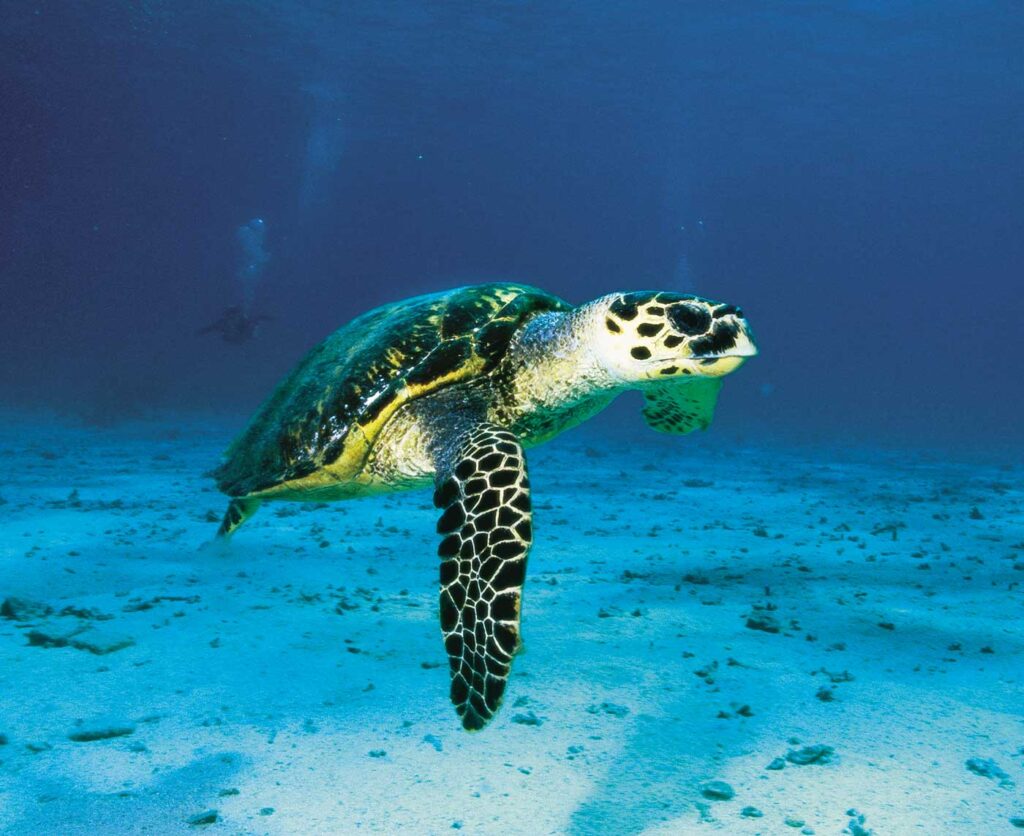
If you come across a marked sea-turtle, do not remove its marker, just make a note of its number and location, the condition of the animal (healthy, sick, injured) and the date, time and place of your find, then return the animal to the sea. If you find a dead sea-turtle, write down the details, put the animal in a freezer if you have access to one, and send the details with the animal’s marker, your address and telephone number, to:
Programme for Research and Protection of Adriatic Sea-Turtles, Zoological Department, Croatian Natural History Museum, Demetrova 1, Zagreb, tel. 01/4851 700, 098/781 176 or fax. 01/4851 644.
You can radio in your find to a patrol boat of the Maritime Police or Ministry of Internal Affairs (tel. 192), or to the Observation and Information Service (tel. 985), or simply report to the nearest harbourmaster’s office.
Other sea creatures
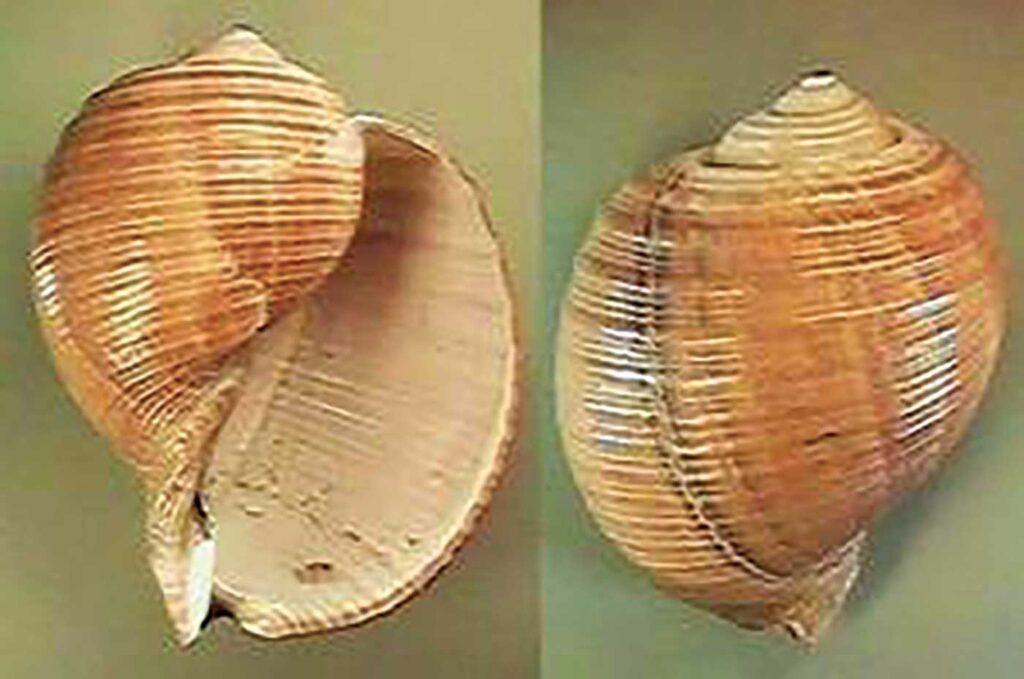
Because their numbers are so low and their survival endangered, sea snails such as Triton’s Trumpet (Charonia tritonis seguenza), the Tun Snail (Tonna galea) and the Striped Mitre (Mitra zonata) and shellfish such as the date mussel (Lithophaga lithophaga) and the Pen Shell (Pinna nobilis), as well as all kinds of sea cucumber, are all protected. So are some fish, with the Green Wrasse (Labrus viridis) considered in special danger.
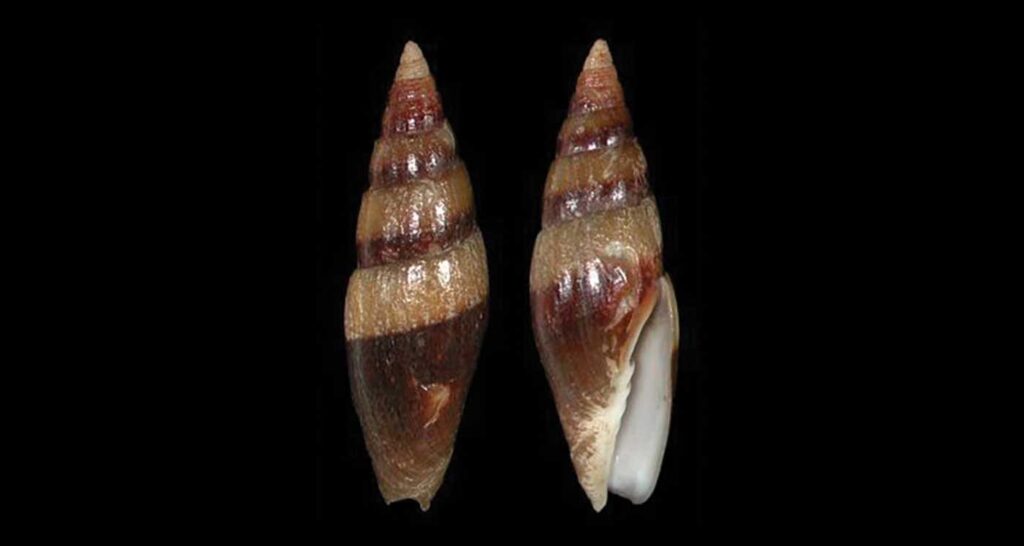
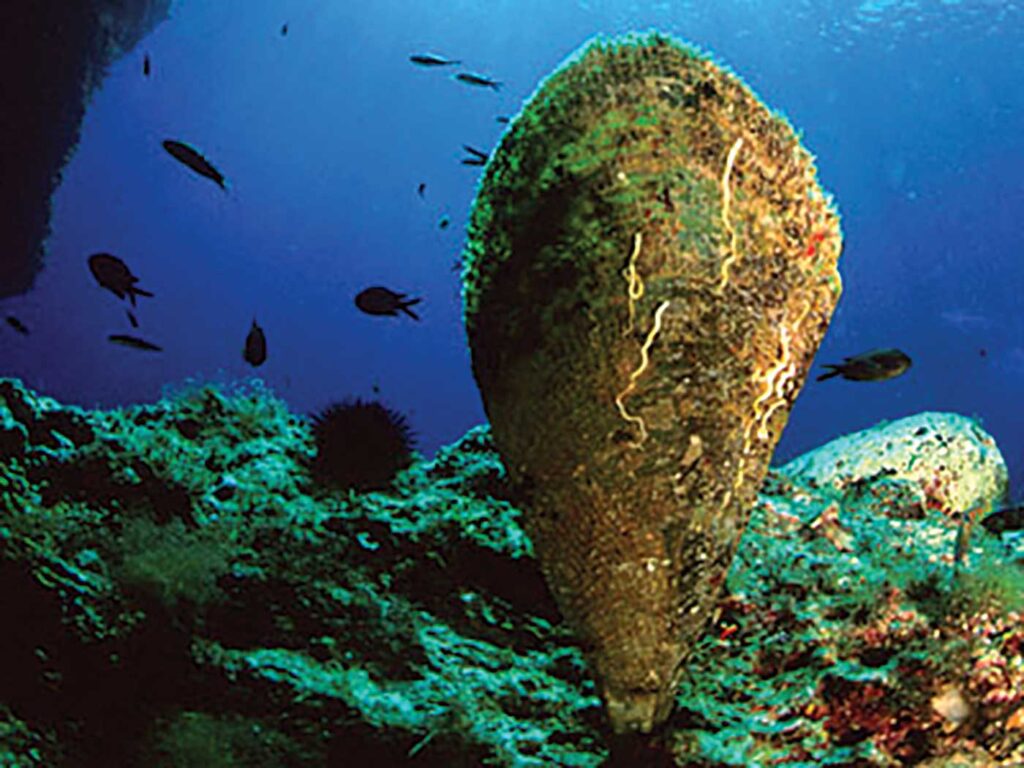
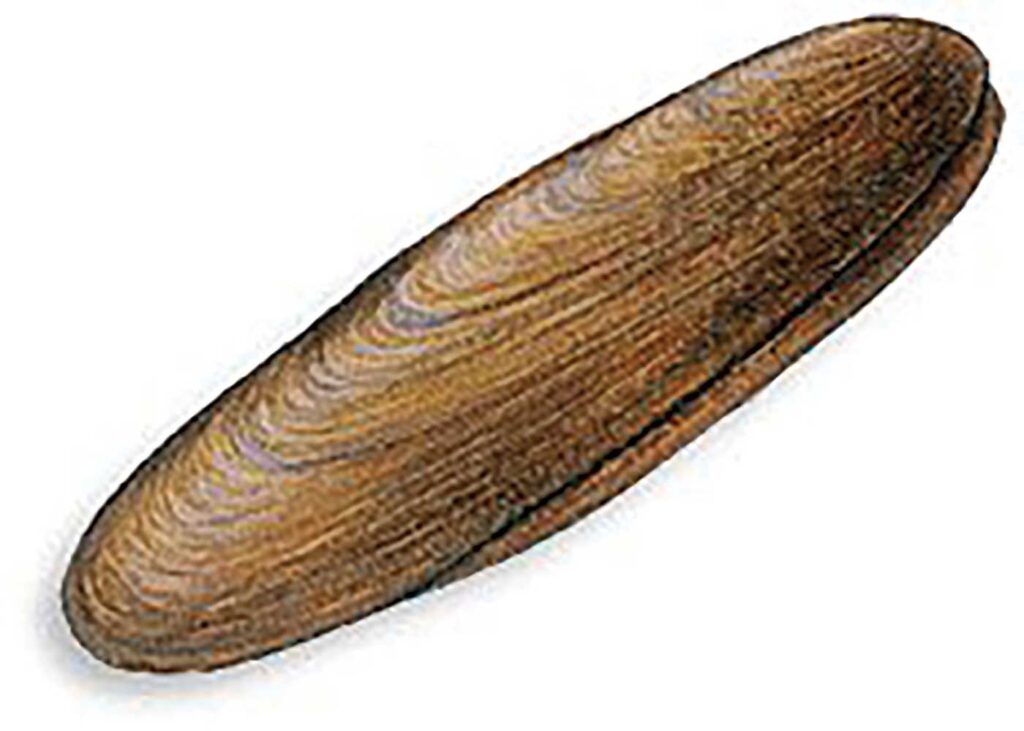
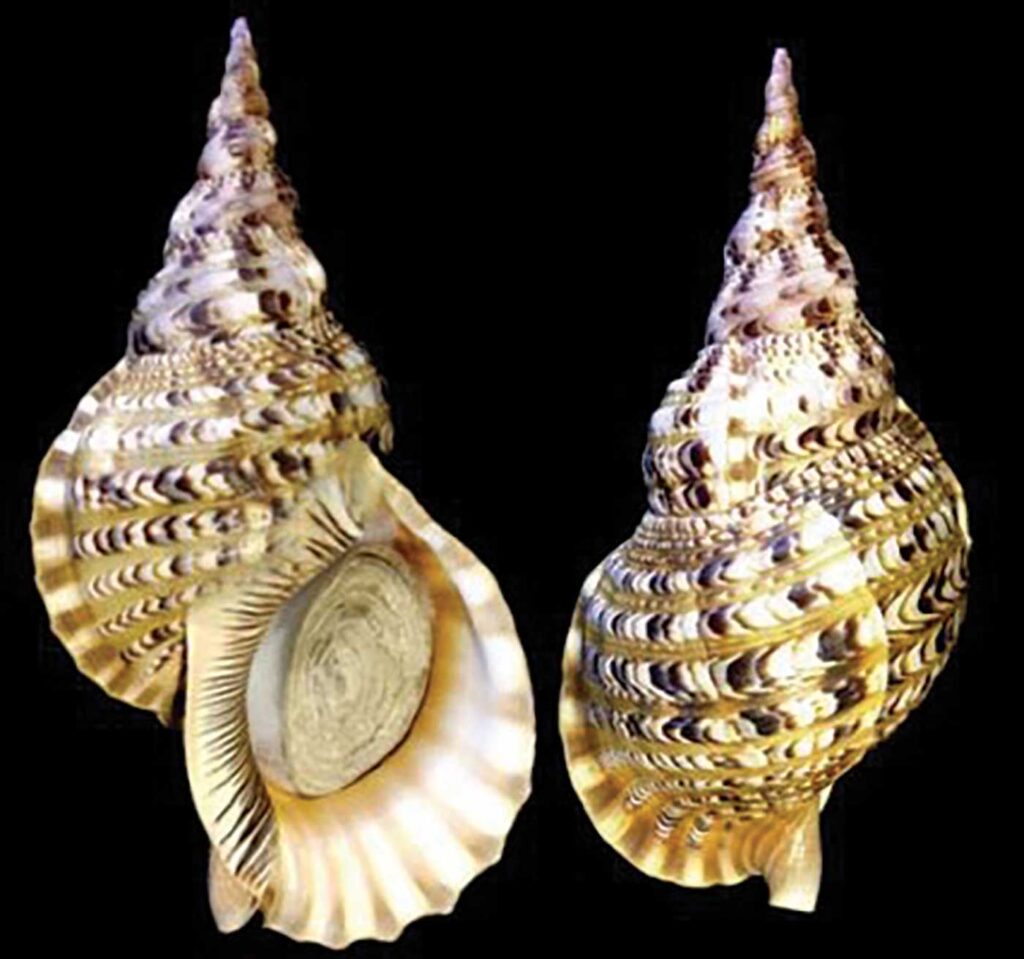
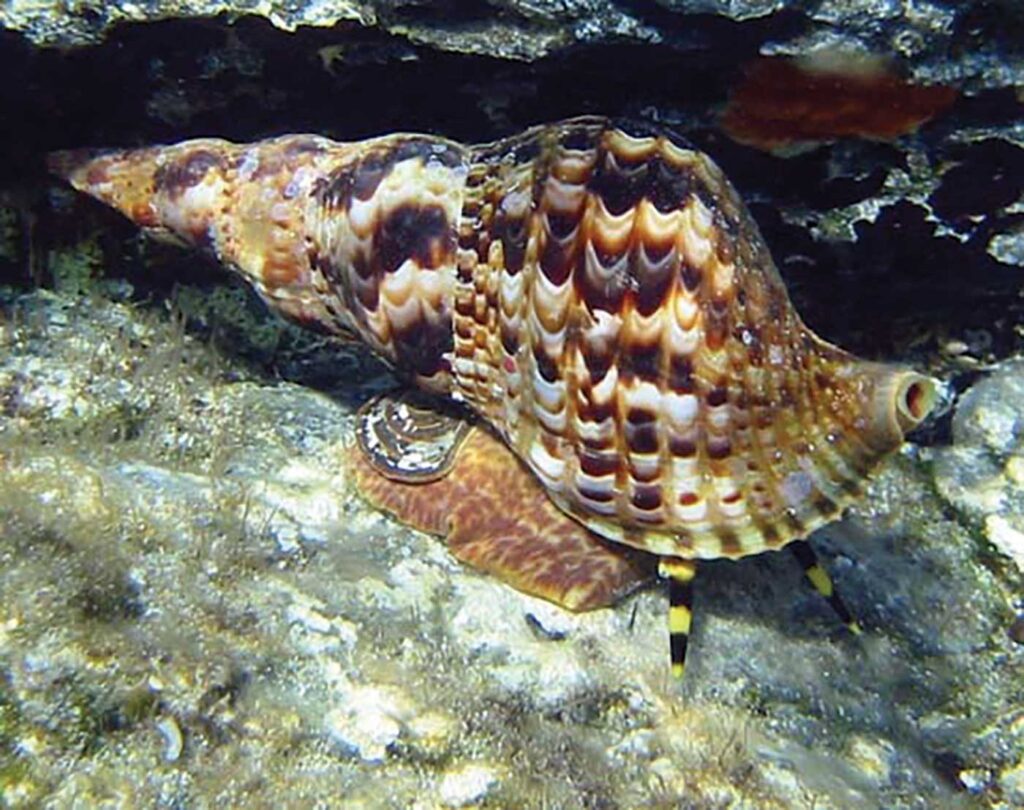
There are regulations governing minimum sizes and other restrictions concerning fishing and the sales of other sea creatures (for example crabs with eggs, etc).
Do not buy souvenirs made from sea creatures, for example sea horses, which are also endangered.
Land animals
Among the vertebrates in coastal areas, virtually all amphibians are protected (newts, salamanders, frogs), all reptiles (turtles, lizards, geckos, snake lizards and snakes, apart from vipers), all birds and some mammals (bats, hedgehogs, the Cres mole, and others).
You need a licence to catch edible frogs.
Griffon vultures
According to the Act on Nature Protection, it is forbidden to disturb nesting griffon vultures, so you are not allowed to land in the area of the ornithological reserves, and speed-boating is not permitted within 500 metres of the coastline in these places: on the island of Cres, from Beli to Merag, and from Mali Bay to Koromačna Bay; on the island of Krk, from Mala Luka Bay to Glavin Point; and all around the island of Prvić.

If you sail along the coasts of Cres, Prvić or Krk, and notice a young griffin vulture floating in the sea, remember that this is a species threatened with extinction and obey these rules: approach the vulture gently and take care not to injure or upset it further; cover its head with a T-shirt or towel, including the beak, so it cannot nip you, grasp it by the feet and pull it out of the sea, folding its wings. Then hold it under your arm and seek the help of the Eco Centre. If you cannot call them, set the bird down on a beach or dry rock and then seek help. You should also report it if you spot a bird in distress on a cliff, outside its nest.
Eco Centre Caput Insulae – Beli, Island of Cres, 051/840 525 or 091 3357 123; www.caput-insulae.com

Preserving marine and coastal habitats
- On our coastline today, following centuries of exploitation and drainage, the small number of remaining sandy and swampy areas are particularly endangered, which from the biologist’s point of view are extremely important habitats for rare plants and animals.
- The underwater rocks along the coast are of key importance to the breeding cycle of many types of coastal fauna and many species of fish, including commercially attractive ones. The protection of such locations is one reason why it is forbidden to extract date mussels.
- The underwater meadows of Posidonia seagrass are also disappearing fast. So we would prefer you not to drop anchor in areas covered in Posidonia, since the dropping and raising of the anchor cause irreparable damage. For the same reason, you should not drag nets, trawl or dredge across areas of Posidonia, nor too near to the coast.
If we preserve these underwater meadows, we will also preserve the much more economically important species of fish, crabs and snails which inhabit them, thus ensuring the future of our fishing industry. We should also raise our voices against the building of marinas, coastal embankments and concessions for fish farming in areas where Posidonia oceanica grows.